Checked Out and Cashing In: The Surprising Power of Not Caring About Your Feed
There's a weird thing happening at the edges of the internet right now. The people who seem least interested in being online are becoming the most interesting people to follow. The creators who post whenever they feel like it, who don't track their numbers obsessively, who let weeks pass without dropping a single piece of content — they're building something the engagement-farmers can't replicate. Call it the attention dividend. The return you get not from spending your focus, but from hoarding it.
This isn't about going offline entirely. It's more specific than that. It's about what happens when you genuinely stop caring whether the algorithm likes you — and what that indifference signals to everyone watching.
The Economics of Being Unimpressed
Here's the basic math that the content machine doesn't want you to run: when everything competes for your attention at maximum volume, the things that don't compete start to stand out by default. Scarcity is still scarcity, even when what's scarce is someone's willingness to hustle for your eyeballs.
This is showing up in measurable ways. Newsletters with irregular publishing schedules — the ones that show up when the writer has something to say rather than when the editorial calendar demands it — are reporting open rates that blow past their more disciplined competitors. Podcasts that take months off between seasons are coming back to audiences that are genuinely hungry, rather than passively subscribed. There's a difference between an audience that tolerates your absence and an audience that misses you. Only one of those groups actually cares.
The economics here run counter to everything the platform era taught us. We spent a decade internalizing the lesson that consistency equals growth, that the algorithm rewards the grind, that posting less is professional suicide. Some of that was true, for a while, in specific contexts. But the landscape shifted. The feed got so full that consistency stopped being a differentiator. Now the differentiator is restraint.
Boredom as a Signal, Not a Symptom
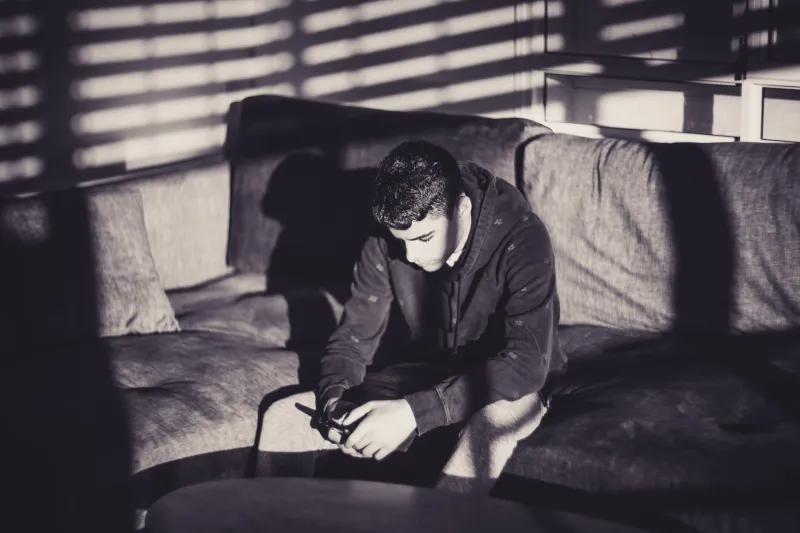
There's a version of digital boredom that's just passive — the dull scroll through content you didn't really want, the background noise of a feed you've stopped actually reading. That kind of boredom is what the platforms thrive on. It's the low-engagement, high-time-spent behavior that still gets monetized.
But there's another kind. The boredom that comes after you've genuinely pulled back, let the noise die down, and stopped refreshing out of habit. That version feels different. It's uncomfortable at first, then clarifying. People who've sat with it long enough describe a shift in what they find interesting — a recalibration toward things with actual texture, actual stakes, actual weirdness. The static clears and you start picking up signals you couldn't hear before.
This is exactly the audience that the most sought-after independent creators are quietly cultivating. Not the passive scrollers. The people who got bored of the feed, stepped back, and now only show up when something genuinely earns their attention. Those readers, listeners, and viewers are worth ten times their passive equivalents to a creator who actually has something to say. They respond, they share without prompting, they stick around.
Why Optimized Voices Start to Sound the Same
Spend enough time in any content niche and you'll notice a convergence effect. The more a creator optimizes for engagement metrics — watch time, click-through, saves, shares — the more their output starts to sound like everyone else optimizing for the same numbers. The algorithm has preferences, and those preferences flatten everything toward a recognizable center.
This is why the voices that refuse to optimize often carry a different kind of authority. They haven't been smoothed out. They still have corners and rough patches and opinions that don't fit neatly into a hook. They're not performing relatability or manufacturing urgency. When they do post, it doesn't feel like content — it feels like communication. That distinction is increasingly rare, and rare things carry weight.
You can hear this in the way people talk about their favorite obscure creators. The language is almost always the same: it feels like they're actually talking to you, they don't seem to care if you like it, you can tell they're not doing it for the numbers. What people are describing is the absence of optimization. They're responding to the signal that comes through when someone isn't trying to maximize your response.
The Audience Side of the Equation
This isn't only a creator story. The attention dividend pays out on the consumption side too. Audiences who've deliberately narrowed their inputs — who've gotten selective, even ruthless, about what they actually consume — report a consistent set of outcomes: better retention of what they do engage with, stronger opinions, more original thinking. Less input, processed more deeply, produces more than more input processed shallowly. This isn't a hot take; it's just how cognition works when you stop overloading it.
The cultural value of this is starting to show up in real ways. The people in any given industry or creative scene who are most worth talking to are often the ones least plugged in to the daily content churn. They've got perspective because they haven't been drowning in takes. Their boredom with the feed wasn't a failure to engage — it was, functionally, an investment in their own signal quality.
Sitting with the Static
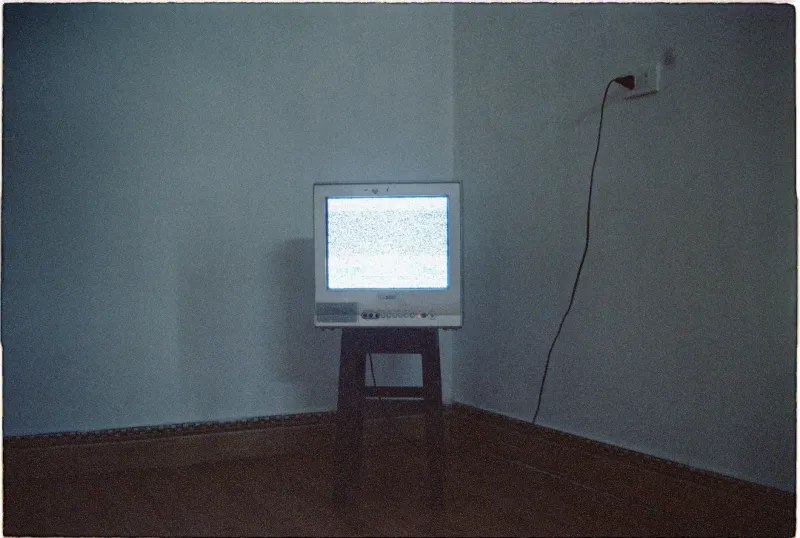
At ROUPNKW, we've always been drawn to the idea that the most interesting stuff comes through the noise, not despite it. But there's a corollary to that: sometimes you have to go quiet long enough to hear what's actually there. The static is the medium. Boredom is the tuner.
The digital economy has spent years convincing us that attention is the currency and more is always better — more content, more engagement, more presence. But currencies can be inflated, and the attention economy is running hot. What's scarce now isn't content. It's genuine disinterest in producing more of it.
The creators and audiences who've figured this out aren't contrarians for the sake of it. They're just running a different calculation. They're asking what their attention is actually worth when it's genuinely withheld — and finding out the number is higher than they expected.
That's the dividend. And right now, almost nobody is collecting it.